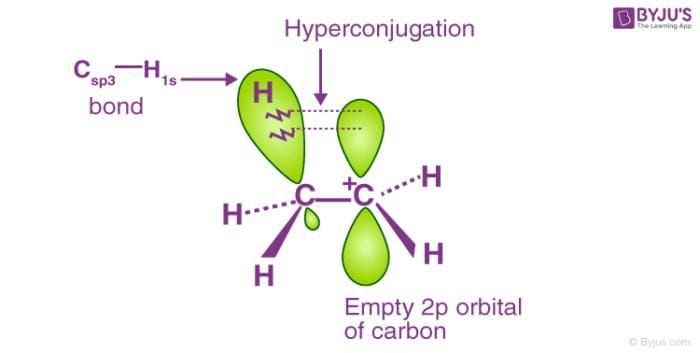
how to find hyperconjugation
Hyperconjugation kaise find kare? Is article me hyperconjugation ki easy definition, rules, examples aur step-by-step method Hindi me samjhaaya gaya hai, jisse aap organic chemistry ke concepts ko aasani se samajh sakein.
Hyperconjugation क्या है?
पूरी जानकारी हिंदी में
Hyperconjugation की परिभाषा, पहचान, Alkenes की stability और structures — सब कुछ एक जगह
B.Sc. / M.Sc. Chemistry · ChemExplorers.in
📋 विषय-सूची (Table of Contents)
- How to Find Hyperconjugation — क्या होता है? (Main Keyword)
- How to Find Hyperconjugation — Step by Step Guide
- How Does Hyperconjugation Explain the Stability of Alkenes?
- How to Identify Hyperconjugation
- How to Find Hyperconjugation Structures
- Real Examples, Applications और Exam Practice
- निष्कर्ष
⚛ how to find hyperconjugation
जब हम Organic Chemistry पढ़ते हैं, तो एक बहुत ज़रूरी concept आता है जिसे Hyperconjugation कहते हैं। इसे No-Bond Resonance या Baker-Nathan Effect भी कहा जाता है। इसे सबसे पहले R.S. Mulliken ने 1939 में समझाया था।
सरल परिभाषा: Hyperconjugation वह process है जिसमें किसी Alpha carbon (α-carbon) पर मौजूद C–H sigma bond (σ-bond) के electrons, पास के pi bond (π-bond) या empty p-orbital के साथ overlap करते हैं — जिससे molecule ज़्यादा stable हो जाती है।
इसे ऐसे समझो — मान लो एक Alkene molecule है जैसे Propene (CH₃–CH=CH₂)। इसमें CH₃ group (Methyl group) का एक C–H bond, पास के C=C double bond के π-electrons के साथ electron density share करता है। यही Hyperconjugation है।
🔬 Hyperconjugation की मुख्य शर्तें
1. Alpha Carbon (α-C) का होना ज़रूरी है — जिस carbon पर H atoms हों, वो double bond या positive charge वाले carbon के बगल में होना चाहिए।
2. C–H σ-bond का होना — Alpha carbon पर कम से कम एक Hydrogen होना चाहिए।
3. Overlap की ज़रूरत — σ-bond orbital को π-bond या empty p-orbital के साथ overlap होना चाहिए।
4. Coplanar होना — Maximum hyperconjugation के लिए सभी bonds एक ही plane में होने चाहिए (coplanar)।
✅ याद रखें
Hyperconjugation में कोई bond टूटता नहीं — इसीलिए इसे “No-Bond Resonance” भी कहते हैं। यह सिर्फ electron density का delocalization है।
🔍 How to Find Hyperconjugation — Step by Step Guide
Hyperconjugation को पहचानना उतना मुश्किल नहीं है जितना लगता है। बस कुछ simple steps follow करने होते हैं।
Step-by-Step Method
1
Double Bond या Carbocation देखो सबसे पहले molecule में C=C double bond (alkene) या C⁺ (carbocation) ढूंढो। यहीं hyperconjugation होगी।
2
Alpha Carbon पहचानो Double bond या C⁺ के ठीक बगल में जो carbon हो, उसे Alpha carbon (α-C) कहते हैं।
3
Alpha Carbon पर H atoms गिनो जितने ज़्यादा H atoms, उतने ज़्यादा hyperconjugation structures बन सकते हैं। Formula: H atoms की संख्या = Hyperconjugation structures की संख्या
4
Electron Delocalization Draw करो एक C–H bond के electrons को arrow से π-bond की तरफ दिखाओ। यही hyperconjugation का representation है।
🔢 Hyperconjugation की संख्या गिनने का Formula Propene (CH₃–CH=CH₂) में: Alpha Carbon = CH₃ (methyl group) Alpha Carbon पर H atoms = 3 ∴ Hyperconjugating structures = 3 Butene (CH₃–CH₂–CH=CH₂) में: Alpha Carbon पर H atoms = 2 (CH₂ group) ∴ Hyperconjugating structures = 2
इस तरह, जितने अधिक alpha H atoms होंगे, उतनी ज़्यादा hyperconjugation होगी और molecule उतनी ज़्यादा stable होगी।
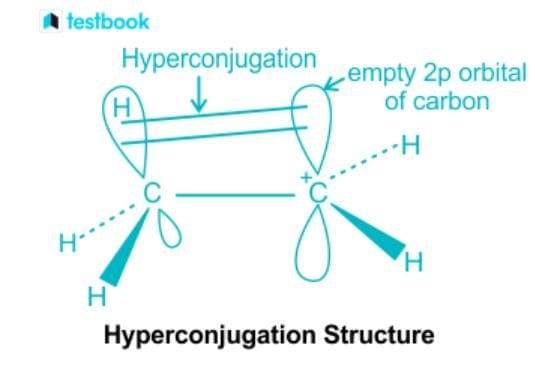
🌿 how does hyperconjugation explain the stability of alkenes
यह सबसे important topic है जो B.Sc. और M.Sc. Chemistry दोनों में पूछा जाता है। Alkenes की stability का order hyperconjugation से directly जुड़ा है।
Alkenes का Stability Order
📊 Stability का क्रम (अधिक → कम) R₂C=CR₂ > R₂C=CHR > R₂C=CH₂ > RCH=CH₂ > CH₂=CH₂ (Tetra-sub) > (Tri-sub) > (Di-sub) > (Mono-sub) > (Ethylene) जितने ज़्यादा alkyl groups → उतने ज़्यादा α-H → उतनी ज़्यादा hyperconjugation → उतनी ज़्यादा stability
उदाहरण: But-1-ene vs But-2-ene
| Alkene | Structure | Alpha H atoms | Hyperconjugating Structures | Stability |
|---|---|---|---|---|
| But-1-ene | CH₃CH₂CH=CH₂ | 2 (CH₂ group से) | 2 | कम stable |
| But-2-ene | CH₃CH=CHCH₃ | 3+3 = 6 (दोनों CH₃ से) | 6 | ज़्यादा stable ✅ |
| 2-Methylpropene | (CH₃)₂C=CH₂ | 3+3 = 6 | 6 | ज़्यादा stable ✅ |
Hyperconjugation Stability को कैसे बढ़ाती है?
जब alpha C–H bond के electrons, π-bond में delocalize होते हैं, तो:
🔋 Electron Density बढ़ती है — π-bond में extra electron density आती है जिससे bond stronger होता है।
⚡ Energy कम होती है — Delocalization से molecule की overall energy घटती है, यानी molecule thermodynamically ज़्यादा stable होती है।
📐 Bond Length बदलती है — C–C single bond थोड़ा shorter होता है और C=C double bond थोड़ा longer होता है — hyperconjugation का यह physical evidence है।
💡 Key Concept
Markovnikov’s Rule, Zaitsev’s Rule, और Heat of Hydrogenation values — ये सब alkene stability की Hyperconjugation-based explanation पर depend करते हैं। Heat of Hydrogenation जितनी कम, alkene उतनी ज़्यादा stable।
🎯 how to identify hyperconjugation — पहचान के तरीके
Exam में Hyperconjugation identify करने के लिए ये key points याद रखो:
Hyperconjugation की पहचान के संकेत
⚠️ जहाँ Hyperconjugation होती है
- Alkenes (C=C) में, जहाँ alpha-H मौजूद हो
- Carbocations (C⁺) में — जहाँ empty p-orbital हो
- Free Radicals में (unpaired electron वाले carbon के पास)
- Conjugated systems में partially
✅ जहाँ Hyperconjugation नहीं होती
- जहाँ alpha-H न हो (जैसे tertiary without H)
- Quaternary carbon (C पर चार alkyl groups, H नहीं)
- Simple alkanes (कोई π-bond नहीं)
- Neopentane जैसे bulky structures
Hyperconjugation vs Resonance — फर्क समझो
| आधार | Resonance | Hyperconjugation |
|---|---|---|
| किसके electrons? | π या lone pair electrons | σ (C–H) bond electrons |
| Bond टूटता है? | नहीं (delocalization) | नहीं (No-bond resonance) |
| Involve होती है | π-π या π-lone pair | σ-π या σ-empty p |
| Structures की संख्या | कम होती है | Alpha-H की संख्या के बराबर |
| Effect | ज़्यादा strong | Resonance से थोड़ा weak |
Carbocation में Hyperconjugation
Carbocation की stability order भी hyperconjugation से explain होती है:
🔋 Carbocation Stability 3° (Tertiary) > 2° (Secondary) > 1° (Primary) > CH₃⁺ (Methyl) Tertiary Carbocation (R₃C⁺): → 3 alpha carbons, हर एक पर 3 H → कुल 9 hyperconjugating structures → Maximum stability ✅ Methyl Carbocation (CH₃⁺): → कोई alpha C–H नहीं → 0 hyperconjugating structures → Least stable ❌
📐 how to find hyperconjugation structures — Step by Step
Hyperconjugation structures वो contributing structures होती हैं जो तब बनती हैं जब alpha C–H bond के electrons, π-bond या empty orbital की तरफ shift होते हैं।
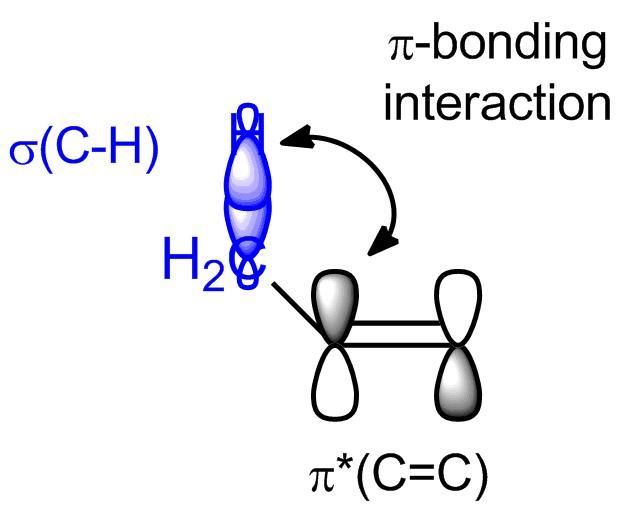
Propene का Example — Step by Step
✏️ Propene (CH₃–CH=CH₂) की Hyperconjugating Structures Normal Structure: H₃C–CH=CH₂ ←→ (hyperconjugation होती है) Structure 1: [H₂C: ← H] + [CH=CH₂] → H₂C=CH–CH₂⁻ (No-bond form) (एक C–H bond टूटता “दिखता” है, electrons π पर जाते हैं) Structure 2: दूसरा H shift होता है → similar no-bond structure Structure 3: तीसरा H shift → तीसरी no-bond structure Total Hyperconjugating Structures = 3 (तीनों H के लिए) (Plus original structure → कुल 4 contributing structures)
Important: इन structures में formally एक C–H bond नहीं होता और carbon पर negative charge आ जाता है — इसीलिए इन्हें “no-bond resonance structures” कहते हैं।
Carbocation में Hyperconjugation Structure
⚡ Ethyl Carbocation (CH₃–CH₂⁺) Normal: CH₃–CH₂⁺ Hyperconjugation Structure 1: [H₂C: ← H]–CH₂⁺ → H₂C=CH₂ + H⁺ (No-bond form) इसी तरह 2 और structures बनती हैं (3 H atoms हैं CH₃ पर) Total = 3 Hyperconjugating structures Positive charge delocalize → Stability ↑
Hyperconjugation Structures गिनने का Formula
| Molecule | Alpha C–H (total) | Hyperconjugating Structures |
|---|---|---|
| Ethylene (CH₂=CH₂) | 0 (कोई alpha C नहीं) | 0 |
| Propene (CH₃–CH=CH₂) | 3 | 3 |
| But-1-ene (CH₃CH₂CH=CH₂) | 2 | 2 |
| But-2-ene (CH₃CH=CHCH₃) | 3+3=6 | 6 |
| Isobutylene ((CH₃)₂C=CH₂) | 3+3=6 | 6 |
| 2-Methylbut-2-ene | 3+3+3=9 | 9 ✅ (सबसे stable) |
📚 Real Examples, Applications और Practice Points
1. Heat of Hydrogenation और Hyperconjugation
Hyperconjugation का सबसे बड़ा experimental proof Heat of Hydrogenation values से आता है।
| Alkene | Heat of Hydrogenation (kcal/mol) | Stability |
|---|---|---|
| Ethylene (CH₂=CH₂) | 32.8 | सबसे कम ✅ |
| Propene | 30.1 | ↑ |
| But-1-ene | 30.3 | ↑ |
| But-2-ene (cis) | 28.6 | ↑ |
| But-2-ene (trans) | 27.6 | सबसे ज़्यादा stable |
जिसकी Heat of Hydrogenation जितनी कम → वो alkene उतनी ज़्यादा stable → Hyperconjugation उतनी ज़्यादा।
2. Markovnikov’s Rule में Hyperconjugation
Markovnikov’s Rule: HX का H उस carbon से जुड़ता है जिस पर पहले से ज़्यादा H हों। इसका कारण है कि ज़्यादा substituted carbocation (tertiary > secondary) ज़्यादा stable होता है — और यह stability hyperconjugation के कारण होती है।
3. Free Radicals में Hyperconjugation
Free Radicals में भी hyperconjugation होती है। जैसे Tertiary Free Radical सबसे stable होता है क्योंकि उसके unpaired electron वाले carbon के पास ज़्यादा alpha-H होते हैं जो delocalization provide करते हैं।
Free Radical Stability 3° Radical > 2° Radical > 1° Radical > Methyl Radical (Same order as Carbocation — Hyperconjugation का कमाल!)
4. Exam में Hyperconjugation Questions
❓ Q: But-2-ene, But-1-ene से ज़्यादा stable क्यों है?
Ans: But-2-ene में 6 alpha-H हैं जबकि But-1-ene में 2 — इसलिए But-2-ene में ज़्यादा hyperconjugation होती है और वो ज़्यादा stable है।
❓ Q: Tertiary Carbocation सबसे stable क्यों होता है?
Ans: तीन alkyl groups से 9 alpha-H मिलते हैं जो maximum hyperconjugation provide करते हैं — charge maximum delocalize होता है।
❓ Q: Ethylene में hyperconjugation क्यों नहीं होती?
Ans: Ethylene (CH₂=CH₂) में कोई alpha carbon नहीं है — कोई भी carbon double bond carbon के अलावा नहीं है — इसलिए कोई alpha-H नहीं और hyperconjugation शून्य है।
📌 निष्कर्ष (Conclusion)
Hyperconjugation — Organic Chemistry का एक बेहद ज़रूरी concept है जो Alkenes की stability, Carbocations का order, Markovnikov’s Rule, और Free Radical reactions को explain करता है।
इसे याद रखने का सबसे आसान तरीका: “जितने ज़्यादा Alpha-H → उतनी ज़्यादा Hyperconjugation → उतनी ज़्यादा Stability”
अगर यह article helpful लगा हो, तो chemexplorers.in पर और भी chemistry topics की detailed जानकारी पढ़ें।